 Coach Max
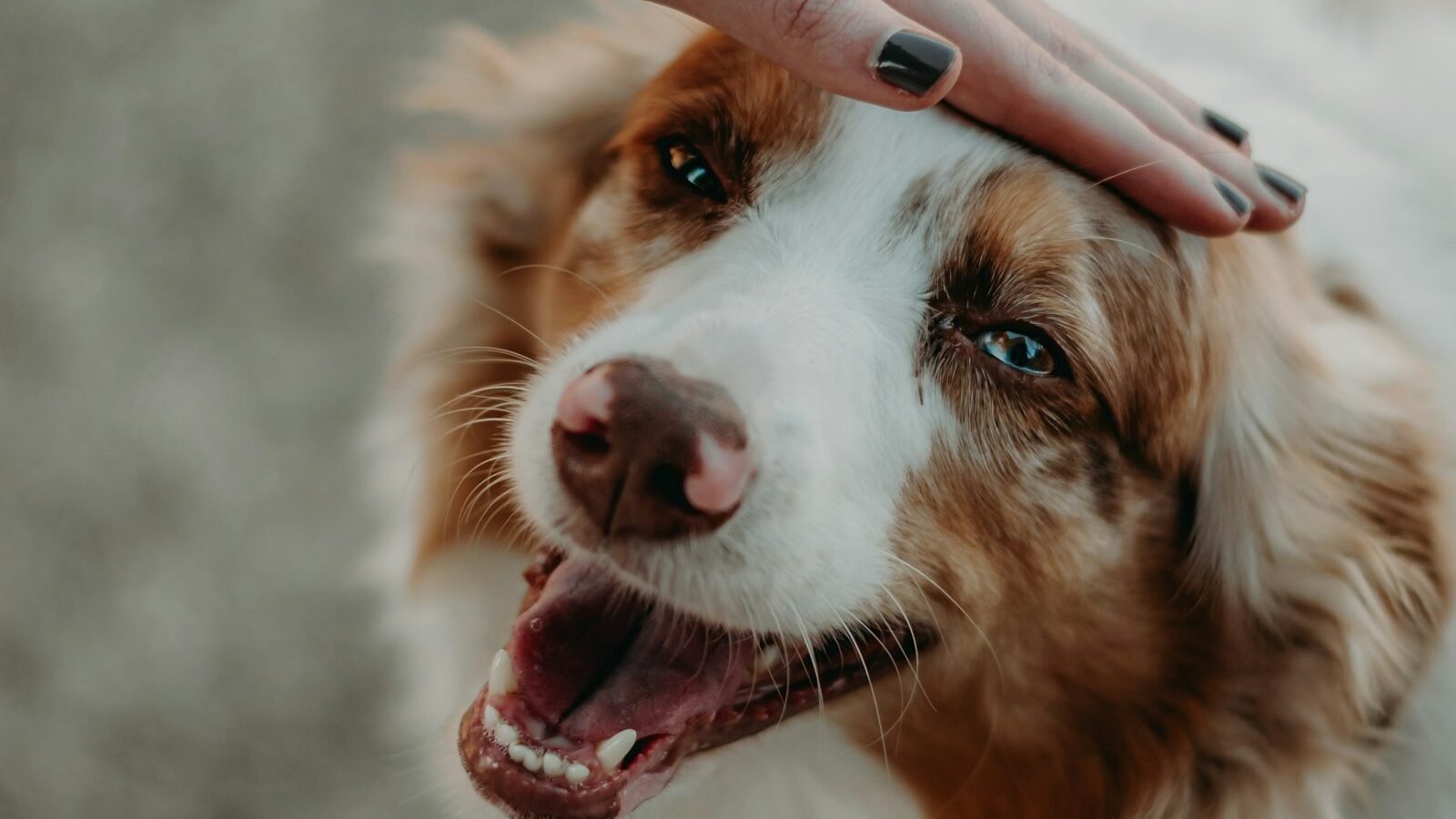
The doorbell rings and chaos begins: barking, jumping, spinning — or a dog that disappears under the bed. The holidays mean more visitors than usual, and for many dogs that’s a lot to handle. The good news is that calm greetings are a skill you can teach. Here’s a simple plan you can start today.
- Prepare before guests arrive: exercise, a safe space and a plan for the door.
- Teach a “go to your place” cue and practice it with fake doorbell rings.
- Let your dog choose whether to meet guests. Never force a greeting.
- Watch for stress signals and give breaks before your dog gets overwhelmed.
Why Dogs Get So Worked Up When Guests Arrive
For a dog, a visitor means new smells, loud voices, movement and a big change in the home. Some dogs are overjoyed and can’t contain it. Others feel uncertain or scared and bark to say “stay back.” Both are emotional reactions, and both improve with practice and a calm routine.
The 8-Step Calm Visitor Plan
1. Burn energy first
Before guests arrive, take your dog on a long sniffing walk or play a game of fetch. A tired dog has much less energy for door chaos.
2. Set up a safe space
Choose a quiet room or a crate area away from the action, with a bed, water, white noise or calm music, and a long-lasting chew. This is your dog’s retreat — not a punishment.
3. Teach “go to your place”
Pick a mat or bed. Lure your dog onto it, reward, and gradually add a cue and a few seconds of staying. Build up to longer stays with small distractions.
4. Practice with the doorbell
Record or play a doorbell sound at low volume. When it rings, cue “place” and reward. Over several days, raise the volume, then practice with a friend knocking for real.
5. Use a leash or baby gate at first
For the first few minutes of a visit, keep your dog on a leash or behind a gate. This prevents jumping and door-dashing and stops bad habits from being rehearsed.
6. Brief your guests
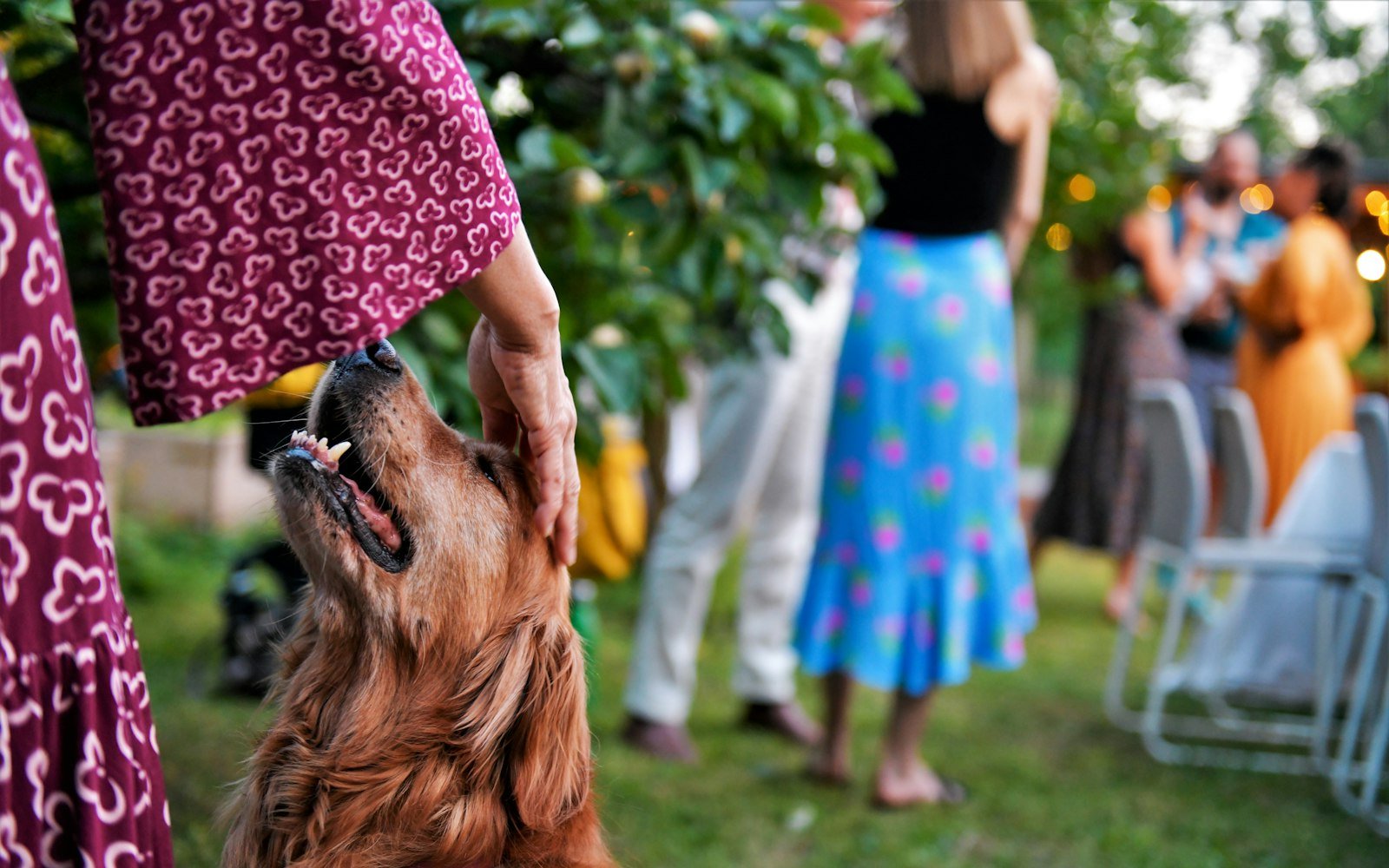
Ask guests to ignore the dog at first: no eye contact, no talking, no reaching. Once the dog is calm, they can toss a treat or pet the chest — only if the dog chooses to come over.
7. Reward calm behavior
Catch your dog being calm — lying down, sitting, sniffing quietly — and reward it. Calm gets attention; barking and jumping get nothing.
8. Give breaks
Every hour or so, take your dog to their safe space for a rest with a chew. Long gatherings are tiring even for social dogs.
Signs Your Dog Is Stressed
Watch for lip licking, yawning, turning away, a tucked tail, ears pinned back, panting when it isn’t hot, shaking, hiding, or a stiff body. A growl is a warning, not bad behavior — never punish it. Calmly move your dog to their safe space. If your dog has ever snapped or bitten, keep them separated during visits and work with a qualified trainer or veterinary behaviorist.
Keep Kids and Dogs Safe
Many bites happen with familiar dogs at home. Supervise kids around dogs at all times, teach them not to hug, chase or bother a dog that’s eating or resting, and give your dog an area kids can’t enter.
Holiday Extras
- Remind guests not to feed table scraps — see our Thanksgiving foods list.
- Keep purses and coats off the floor; they often hide gum and chocolate.
- Check your Christmas dangers checklist before the party.
- Watch the front door — dogs often slip out when guests come and go. Make sure the ID tag and microchip info are up to date.
If barking is the main issue, our guide Why Does My Dog Bark So Much? goes deeper.
Frequently Asked Questions
Should I crate my dog when guests come over?
If your dog is crate-trained and comfortable in it, yes, a crate in a quiet room can be a great safe space. Don’t introduce a crate for the first time on a busy day.
How do I stop my dog from jumping on guests?
Prevent jumping with a leash or gate, ask guests to ignore jumping, and reward four paws on the floor. Practice “sit” or “place” for greetings.
Why does my dog bark at guests and then become friendly?
Many dogs feel unsure at first and bark to create distance. Once they have time to sniff and see the guest is safe, they relax. Give them that time.
Can I give my dog something to calm down for parties?
Ask your veterinarian. They can recommend safe options, including supplements or medication, based on your dog’s health and stress level.
The Bottom Line
Exercise, a safe space, a practiced “place” cue, briefed guests and plenty of breaks turn holiday visits from chaos into calm. Start practicing a week or two before the big day, and celebrate every small win.