 Coach Max
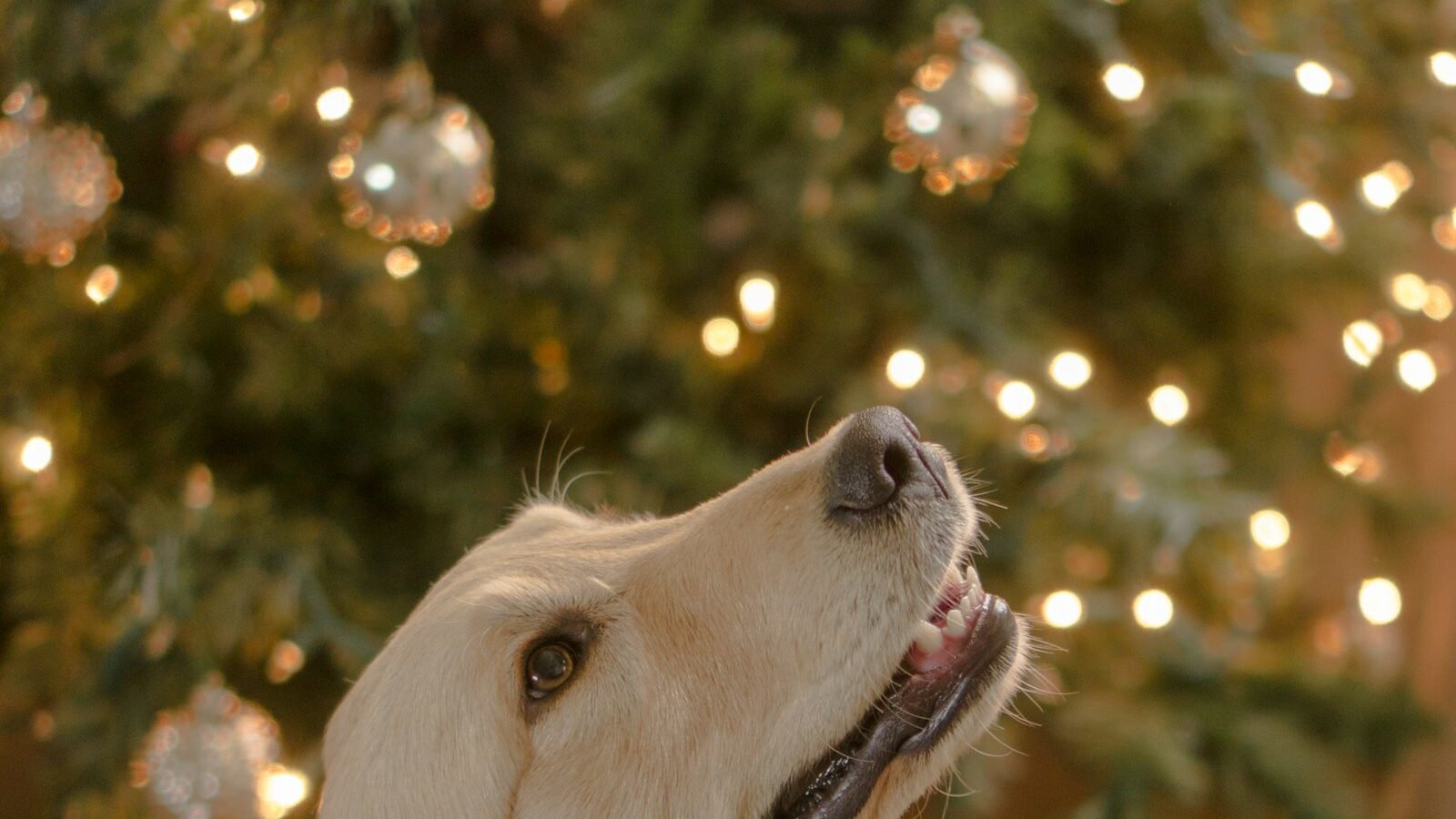
The holidays are full of new smells, shiny objects and food within nose reach — basically a dog’s dream. They’re also one of the busiest times of year for emergency vets. Use this checklist to dog-proof your home so the only surprise under the tree is a new toy.
Christmas Tree Hazards
1. A tipping tree
Excited dogs, wagging tails and leaning puppies can pull a tree over. Use a sturdy stand and anchor the tree to the wall or ceiling with fishing line or a hook.
2. Tree water
Standing water can grow bacteria, and some water additives or preservatives aren’t safe to drink. Cover the stand with a tree skirt or a lid so your dog can’t drink from it.
3. Pine needles
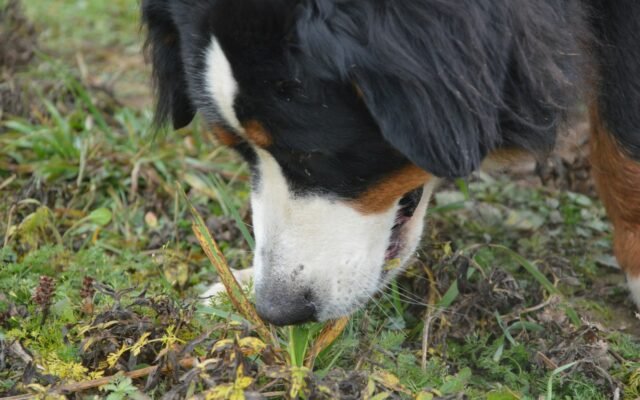
Swallowed needles can irritate the mouth and stomach. Sweep up fallen needles often.
4. Glass and breakable ornaments
Broken glass can cut paws and mouths. Hang breakable and food-shaped ornaments high, and use shatterproof ones on the bottom branches.
5. Tinsel and ribbon
Long, string-like objects can bunch up in the intestines and cause a serious blockage that may need surgery. Skip tinsel if you have a dog that chews.
6. Lights and cords
Chewing on electrical cords can cause burns in the mouth or electric shock. Tape cords down, use cord covers, and unplug lights when you’re not home.
Food Hazards
7. Chocolate
Wrapped chocolate under the tree or in stockings is a common holiday emergency. Read My Dog Ate Chocolate — What to Do Now.
8. Grapes, raisins and fruit cake
Raisins, currants and grapes can cause kidney injury, and fruit cakes, mince pies and stollen often contain them, sometimes along with alcohol.
9. Xylitol in sweets and baking
Sugar-free candy, gum, baked goods and some peanut butters contain xylitol, which is very dangerous for dogs even in small amounts.
10. Fatty leftovers and bones
Ham, roast drippings, skin and cooked bones can cause pancreatitis, choking or blockages. See our holiday foods safe vs. dangerous list.
Other Holiday Hazards
11. Holiday plants
Mistletoe and holly can cause stomach upset and more serious problems if eaten. Poinsettias are less dangerous than their reputation, but they can still irritate the mouth and stomach. Amaryllis bulbs are also toxic. Lilies are extremely dangerous to cats, so keep them out of multi-pet homes. Fake plants are the safest choice.
12. Batteries, gift wrap and toys
New gadgets and toys come with button batteries, which can cause serious burns if swallowed. Ribbons, bows, plastic packaging and small toy parts are choking and blockage risks. Clean up right after gifts are opened.
Keep Your Dog Calm During Holiday Parties
Doorbells, visitors, kids, fireworks on New Year’s Eve and a change in routine can stress many dogs. Give your dog a quiet room with their bed, water and a long-lasting chew, keep walks and meals on schedule, and ask guests not to feed them. For step-by-step help, read How to Keep Your Dog Calm When Guests Visit.
Dog-Safe Holiday Ideas
- A stocking with dog-safe treats and a new puzzle toy
- A frozen “holiday dinner” puzzle: kibble, plain turkey and plain pumpkin
- A festive sniffing walk to look at the neighborhood lights
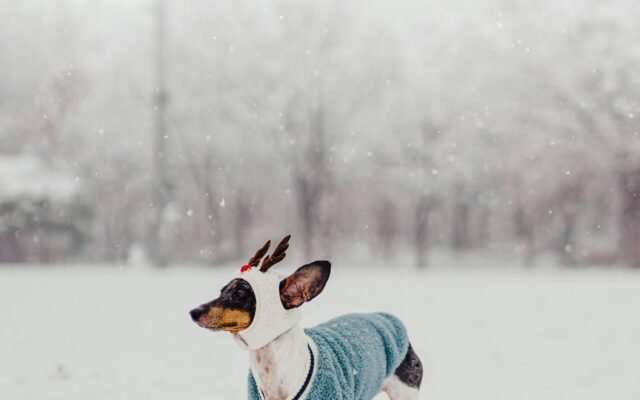
- A cozy new bed or a well-fitted winter coat
Frequently Asked Questions
Are real Christmas trees safe for dogs?
They can be with precautions: anchor the tree, cover the water, sweep up needles and keep breakable ornaments and tinsel out of reach.
Are poinsettias poisonous to dogs?
They’re mildly toxic. They can irritate the mouth and stomach and cause drooling or vomiting, but serious poisoning is uncommon. Still, keep them out of reach.
What should I do if my dog ate tinsel or ribbon?
Call your vet right away. Don’t pull on string you can see hanging from your dog’s mouth or rear, because it may be wrapped around the intestines.
Can dogs eat Christmas ham?
It’s best avoided. Ham is salty and fatty and can trigger stomach upset or pancreatitis.
The Bottom Line
Anchor the tree, cover the water, skip the tinsel, keep chocolate and raisins out of reach, tape down cords and clean up gift wrap fast. A few changes make the holidays safe and happy for everyone, including the four-legged family members.