 Coach Max
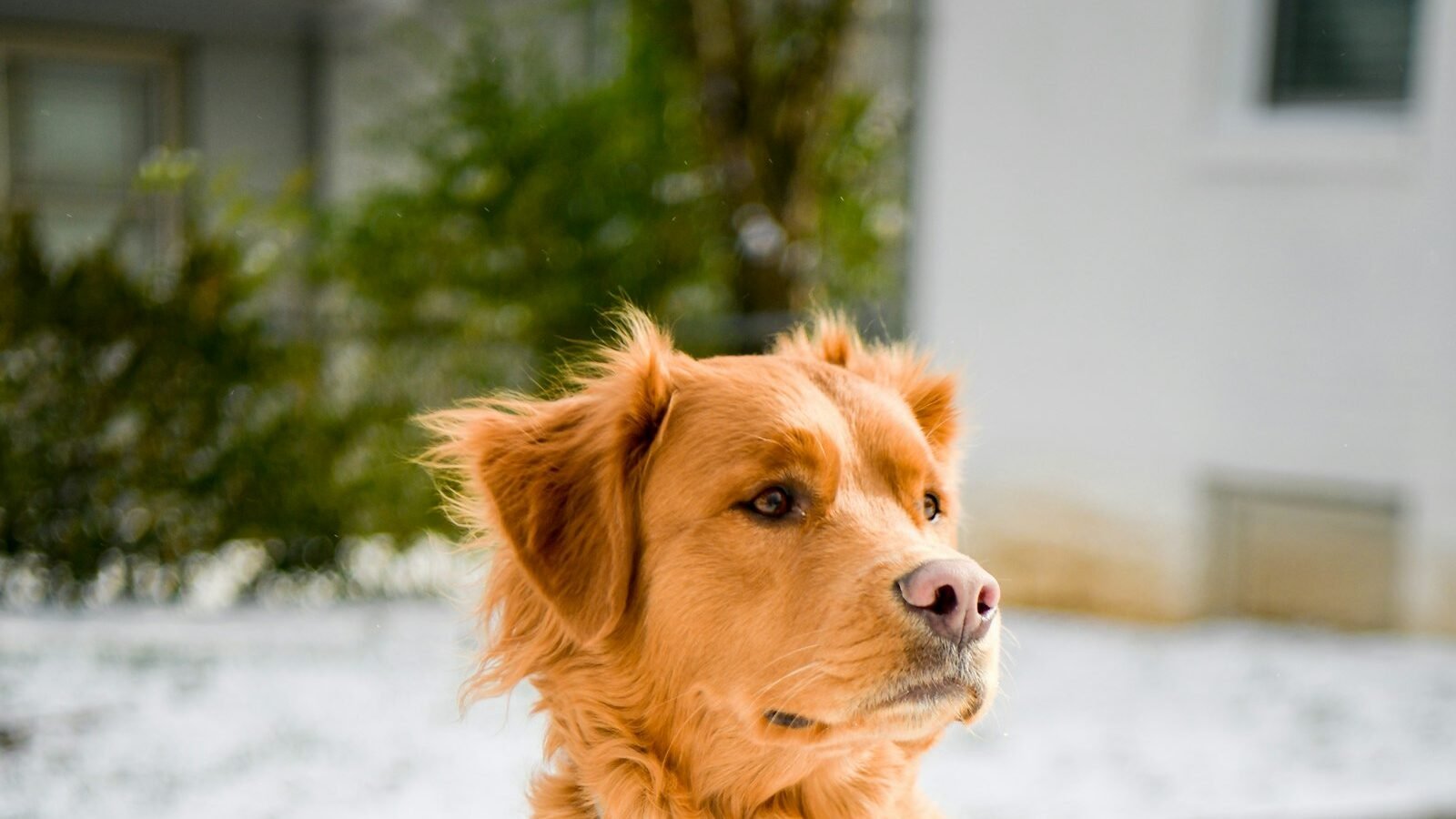
Is a dog coat a real need or just a cute accessory? For some dogs, a winter coat is genuinely helpful. For others it’s unnecessary and can even make them overheat. Here’s how to tell which group your dog belongs to.
- Small, thin-coated, low-to-the-ground, young and senior dogs benefit most from a coat.
- Double-coated northern breeds like Huskies usually don’t need one.
- A good coat covers the chest and belly, fits snugly and doesn’t rub under the legs.
- Take the coat off indoors so your dog doesn’t overheat.
Breeds That Usually Need a Winter Coat
| Breed | Why |
|---|---|
| Chihuahua | Tiny body, loses heat fast |
| Italian Greyhound, Whippet, Greyhound | Very thin coat and almost no body fat |
| French Bulldog | Short single coat; also struggles with temperature regulation |
| Dachshund | Belly sits close to snow and cold ground |
| Chinese Crested | Little to no hair |
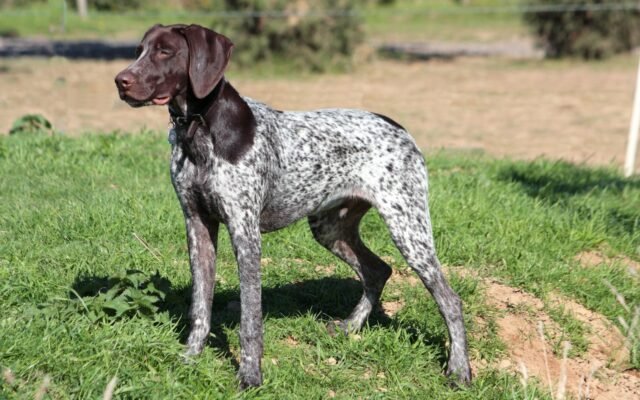
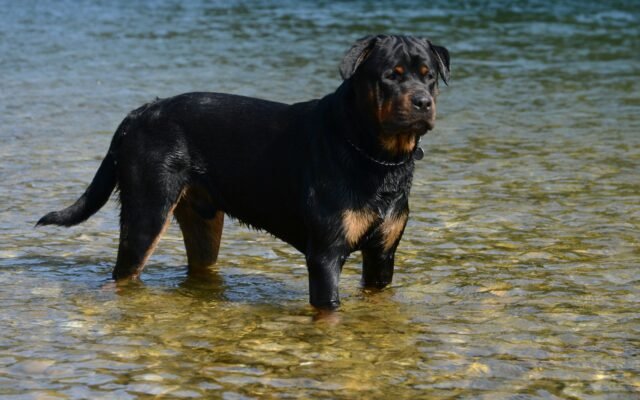
| Boxer, Pit Bull–type dogs, Doberman | Short coats with no undercoat |
| Miniature Pinscher, Toy Fox Terrier | Small and short-coated |
| Yorkshire Terrier, Maltese | Tiny with fine, single-layer hair |
See our French Bulldog and Dachshund breed guides for more breed-specific care.
Breeds That Usually Don’t Need a Coat
These breeds were built for cold, with a dense double coat that insulates against snow and wind:
- Siberian Husky and Alaskan Malamute
- Samoyed
- Bernese Mountain Dog
- Newfoundland
- Great Pyrenees
- Akita and Shiba Inu
- Most German Shepherds, Labradors and Golden Retrievers in normal winter conditions
Even these dogs can get cold in extreme temperatures, when wet, when shaved, or when they’re old or sick. Use our cold-weather temperature chart as a guide.
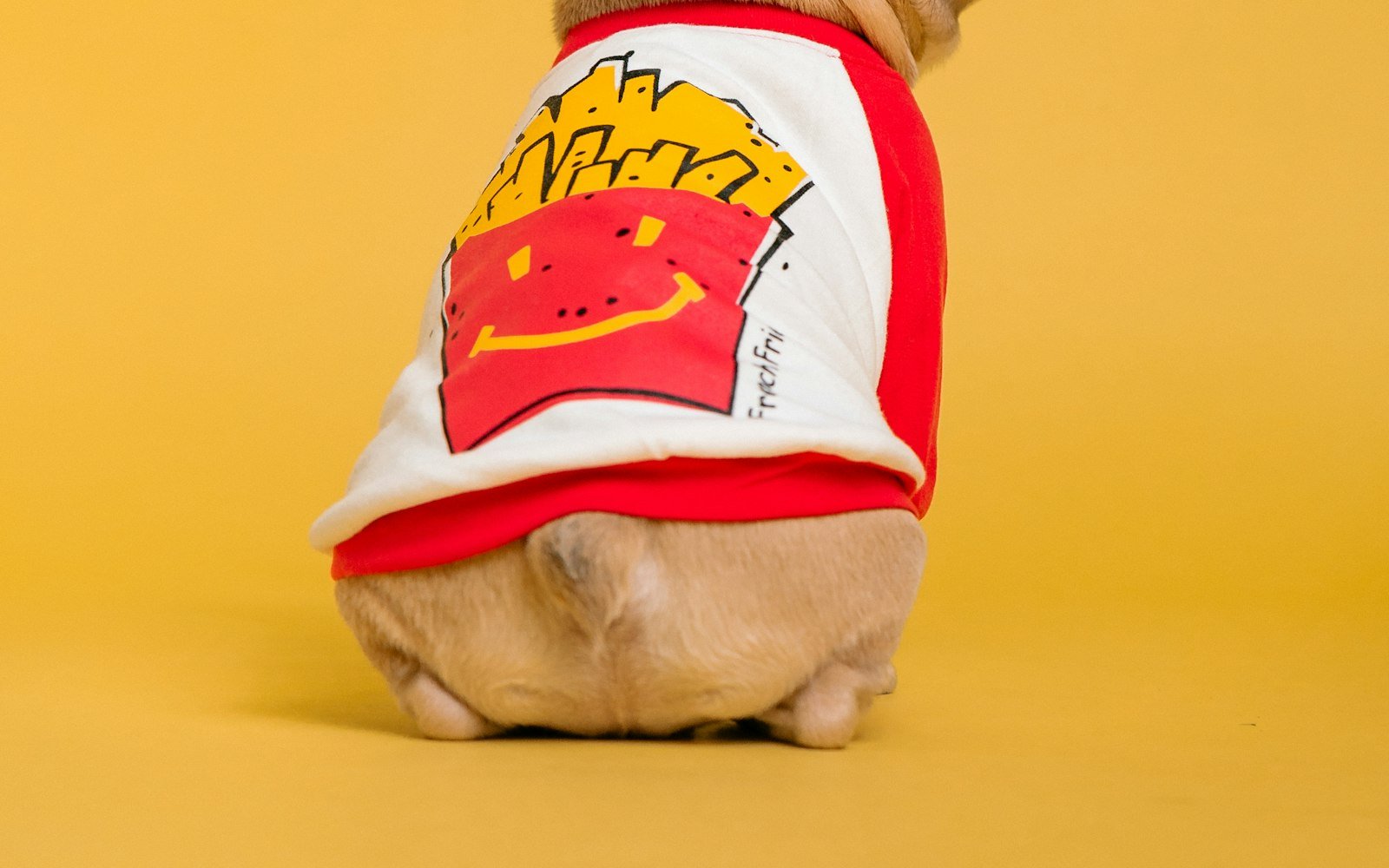
Other Dogs That Benefit From a Coat
- Puppies, who can’t regulate body temperature well yet.
- Senior dogs, especially those with arthritis — cold makes stiff joints worse.
- Dogs with medical conditions such as hypothyroidism, heart or kidney disease.
- Recently groomed or shaved dogs, including Poodles and Doodles with short winter clips.
- Thin or underweight dogs.
How to Measure Your Dog for a Coat
- Back length: from the base of the neck (where the collar sits) to the base of the tail.
- Chest girth: around the widest part of the rib cage, just behind the front legs.
- Neck: around the neck where the collar sits.
Compare with the brand’s size chart. Chest girth matters most. Deep-chested breeds like Greyhounds and broad breeds like Frenchies often need breed-specific cuts.
What to Look for in a Good Dog Coat
- Belly and chest coverage — the belly is where small and short-legged dogs lose the most heat.
- Waterproof or water-resistant shell for snow and sleet, with a warm lining.
- Easy on and off — velcro or step-in styles, no pulling over sensitive heads.
- Harness opening so you can clip the leash to a harness, not the collar.
- Reflective trim for dark winter evenings.
- No rubbing under the front legs and full freedom to walk and potty.
How to Get Your Dog Used to Wearing a Coat
Many dogs “freeze” the first time they wear clothes. Make it positive: let your dog sniff the coat, reward with treats, drape it on for a few seconds, then fasten it for short periods indoors before your first walk. Keep sessions short and happy. Never force it, and always remove it indoors.
Frequently Asked Questions
Do vets recommend coats for dogs?
Many vets recommend coats for small, short-coated, senior and sick dogs in cold weather. Healthy double-coated breeds usually don’t need one.
Should my dog wear a sweater indoors?
Usually not. Dogs can overheat indoors. A cozy bed and a blanket away from drafts are better for chilly nights.
Are dog boots necessary?
They help in snow, ice and areas with road salt. Read our winter paw care guide for options.
Can a dog coat be too warm?
Yes. Watch for heavy panting or restlessness, and take the coat off once you’re back inside.
The Bottom Line
If your dog is small, thin-coated, short-legged, young, old or unwell, a well-fitted winter coat is real protection, not just fashion. Northern double-coated breeds usually do fine without one. Measure carefully, choose belly coverage and waterproofing, and introduce it with treats.