 Coach Max

The Rottweiler kept its No. 8 spot in the AKC’s 2025 rankings. Powerful and confident, Rotties are devoted family guardians that can also be goofy, affectionate couch companions. Because of their size and strength, they need early socialization and consistent training. Here’s what to know.
Rottweiler at a glance
- Size: about 22–27 inches tall; roughly 80–135 lbs (males larger)
- Life expectancy: about 9–10 years
- Energy: medium-high
- Protective instinct: strong
- Shedding: moderate
- Watch-outs: joint problems, bone cancer, heart disease
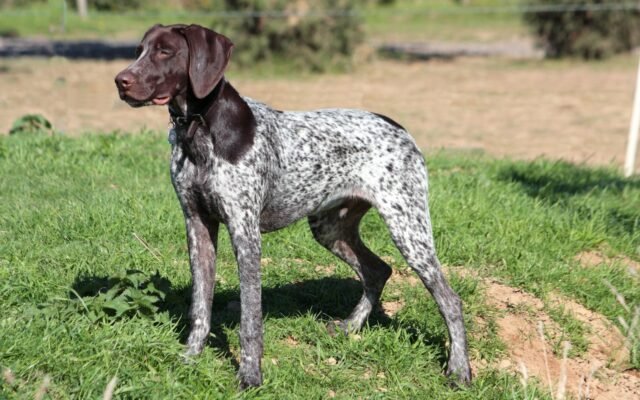
Alt text: Rottweiler lying on a farmhouse porch at sunset
Rottweiler Temperament
Rottweilers are loyal, confident and calm when well raised. They often bond deeply with their family and may be aloof with strangers.
They are intelligent and willing workers, but their size and guarding instinct mean training and socialization are not optional. A well-socialized Rottweiler is steady and trustworthy.
Common Rottweiler Health Problems
Knowing a breed’s typical health risks helps you choose a responsible breeder, budget for care and spot problems early. Always ask for health-test results for both parents.
Hip and elbow dysplasia
Common in large breeds. Choose breeders who screen both parents and keep your dog lean.
Osteosarcoma (bone cancer)
Rottweilers have an elevated risk. Lameness that doesn’t improve should be checked by a vet.
Heart disease
Subaortic stenosis occurs in the breed; responsible breeders screen hearts.
Bloat
Large, deep-chested dogs can develop this emergency.
Daily Care
Exercise
Plan on about an hour of daily activity: walks, fetch, tug with rules, and training games. Rotties also enjoy sports like obedience, tracking and carting.
Grooming
The short double coat sheds moderately, more during seasonal changes. Brush weekly and keep nails short.
Food
Feed a complete large-breed diet and keep your Rottweiler lean to protect joints. Before sharing snacks, check our list of safe and toxic human foods for dogs.
Training a Rottweiler
Start positive, reward-based training and socialization as early as possible. Rotties respond well to calm, consistent leadership — harsh methods can backfire.
- Socialize with many people, dogs and places during puppyhood
- Teach leash manners early — an adult Rottie is very strong
- Practice calm greetings and a reliable “leave it”
- Enroll in a puppy class with a certified trainer
Struggling with the basics? See our guides on stopping leash pulling, puppy biting and excessive barking — the methods work for every breed.
Is a Rottweiler Right for You?
A great match if you are an experienced, consistent owner who wants a loyal guardian and has time for training.
Think twice if you are a first-time owner without training support, or your rental or insurance restricts the breed — check first.
Frequently Asked Questions
Are Rottweilers good family dogs?
Well-bred, well-socialized Rottweilers are often affectionate and gentle with their families; supervise with young children because of their size.
Are Rottweilers aggressive?
Temperament depends heavily on breeding, socialization and training. Good breeding and early socialization matter.
How long do Rottweilers live?
Around 9 to 10 years on average.
The Bottom Line
Rottweilers are loyal, loving guardians for owners ready to invest in socialization and training from day one. See where the Rottweiler ranks among America’s 10 most popular dog breeds.