 Coach Max
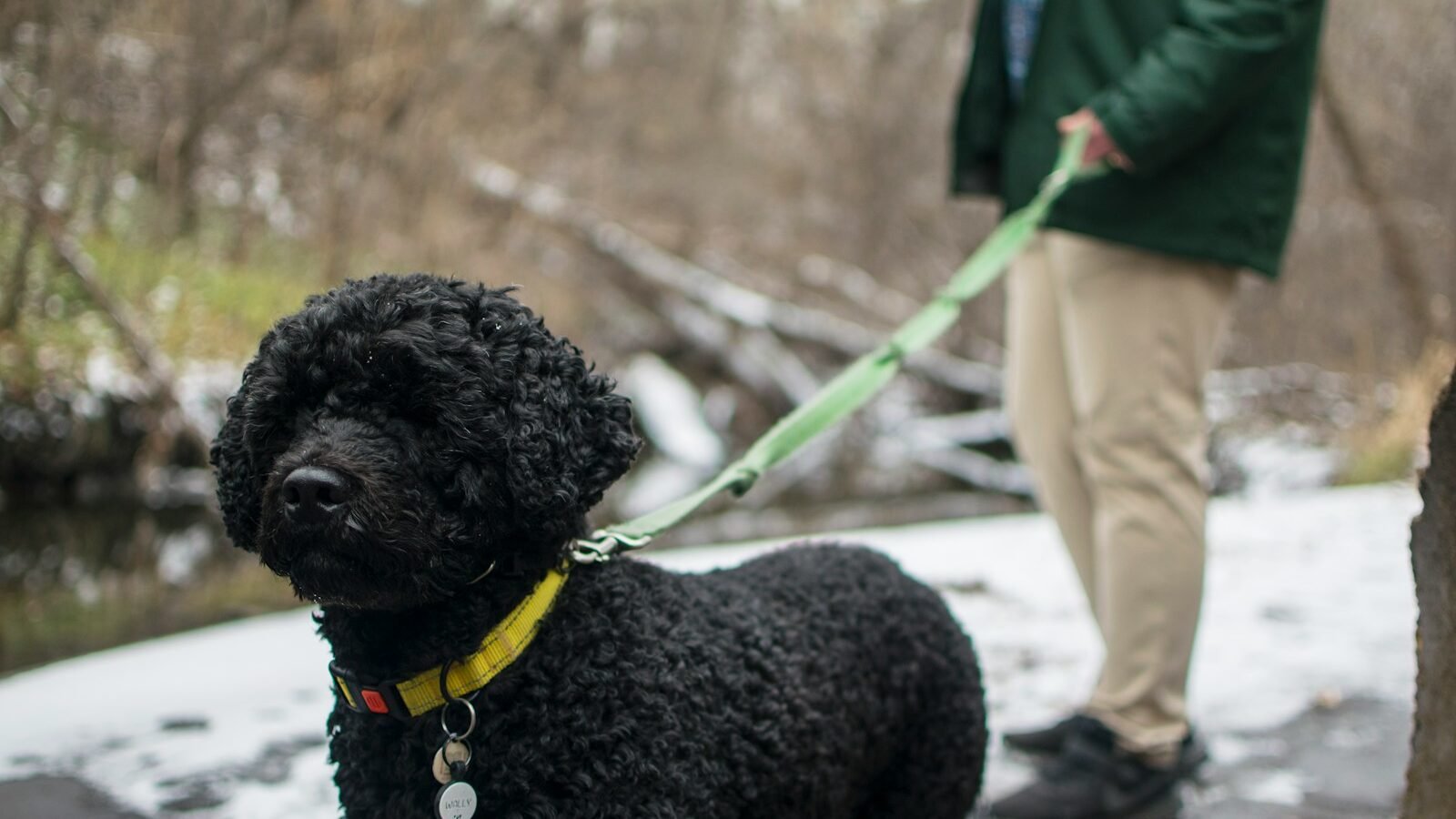
If your French Bulldog turns every walk into a tug-of-war, you are not alone. Frenchies are compact, muscular and surprisingly strong for their size, and many of them pull like little tractors the second the front door opens. The good news: pulling is a learned habit, not a personality flaw — and it can be fixed with a few minutes of practice a day.
This guide walks you through a safe, force-free, 7-step plan built specifically for the French Bulldog’s body and brain. You’ll learn why your Frenchie pulls, what gear to use (and what to throw away), and exactly what to do on every walk.
Key takeaways
- Frenchies pull because pulling works — it gets them where they want to go.
- Never walk a French Bulldog on a collar that presses on the throat. Use a well-fitted harness.
- Reward the “loose leash” position often, stop when the leash goes tight, and keep sessions short.
- Most owners see real progress in 2–3 weeks of daily practice.
Why Does My French Bulldog Pull on the Leash?
Dogs naturally walk faster than humans, and the world outside is full of exciting smells. When your Frenchie leans forward and you keep moving, they learn one simple lesson: pulling gets me there. Every walk where pulling pays off makes the habit stronger.
French Bulldogs add a few extra reasons of their own:
- High excitement, low patience. Frenchies are social clowns. Other dogs, people and food wrappers are irresistible.
- Low center of gravity. Their stocky build lets them dig in and pull with surprising force.
- Short walks, big energy. Because they overheat easily, many Frenchies get fewer outings — so each one is a burst of pent-up energy.
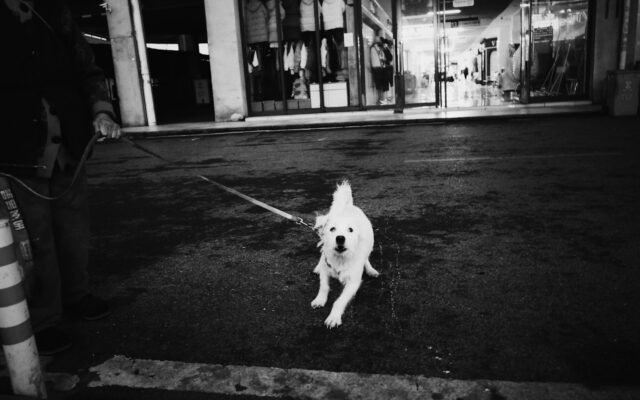
Alt text: French Bulldog pulling on the leash on a city sidewalk
Safety First: Why Frenchies Need a Harness, Not a Collar
French Bulldogs are a brachycephalic (flat-faced) breed. Many already have narrowed airways, and pressure on the neck can make breathing harder and may strain the throat. That’s why a collar should only hold ID tags — never the leash for a Frenchie that pulls.
Choose a Y-front harness that sits on the breastbone and leaves the shoulders free. A harness with a front clip on the chest is even better for training, because when your dog pulls, the clip gently turns them sideways instead of letting them lean in.
Also avoid walking in the heat of the day. On warm afternoons, train indoors or in a shady yard, and walk early in the morning or after sunset. If you are new to the breed, read our French Bulldog breed guide for more on heat and breathing safety.
What You’ll Need
- A front-clip or Y-front harness that fits snugly (two fingers under the straps)
- A standard 6-foot leash (no retractable leashes during training)
- Tiny, soft, high-value treats — think pea-sized bits of chicken or cheese
- A treat pouch on your hip, so rewards are fast
- 10 minutes and a quiet place to start
The 7-Step Method to Stop Leash Pulling
Step 1: Build “the magic spot” indoors
Pick one side — most people choose the left. Stand still in your living room and drop a treat right next to your leg every time your Frenchie stands or walks there. Do this for two minutes a day. You’re teaching your dog that the space next to you is the best place in the world.
Step 2: Add movement
Take one step. If your dog stays at your side, treat at your knee. Then two steps, then five. Keep the leash slack, like the letter “J”. Practice in the hallway or backyard before you ever try the street.
Step 3: Be a tree
The moment the leash goes tight, stop. Plant your feet and wait. Don’t yank, don’t scold. When your Frenchie turns back or the leash loosens, say “Yes!” and walk forward again. Your dog learns that a tight leash means nothing happens, and a loose leash means we go.
Step 4: Use U-turns
If your dog keeps charging ahead, cheerfully say “This way!” and turn around. Reward them when they catch up to your side. U-turns are especially useful for bulldogs, who can out-stubborn a “be a tree” stop on a good day.
Alt text: French Bulldog walking calmly on a loose leash next to its owner
Step 5: Reward check-ins
Any time your Frenchie looks up at you on a walk, mark it and reward. This builds attention, and a dog who checks in with you is a dog who isn’t dragging you to the next fire hydrant.
Step 6: Let sniffing be the reward
Smelling is a huge source of joy and mental exercise for dogs. Use it! After a few steps of nice walking, say “Go sniff!” and let your dog explore. Sniff breaks become a reward you can use instead of food.
Step 7: Raise the difficulty slowly
Go from the living room, to the yard, to a quiet street, and only then to a busy park. If your dog falls apart, you moved too fast — step back to an easier place for a few days.
Want a printable, day-by-day version of this plan? Our 10-Minute Dog Method e-book includes a 30-day leash-walking schedule, troubleshooting charts and tracking sheets.
A Simple 14-Day Leash Training Schedule
| Days | Where | Focus |
|---|---|---|
| 1–3 | Indoors | “Magic spot” and first steps (2 × 5 min) |
| 4–6 | Backyard / hallway | Be a tree + U-turns |
| 7–10 | Quiet street | Check-ins + sniff breaks |
| 11–14 | Normal walking route | Real-world practice, fewer treats |
Common Mistakes That Make Pulling Worse
- Letting pulling work “just this once.” Every successful pull is a training session in the wrong direction.
- Using a retractable leash. It teaches your dog that pressure on the leash means more freedom.
- Treats that are too boring. Kibble can’t compete with a squirrel. Use real food.
- Sessions that are too long. Frenchies learn best in short bursts. Quit while they’re still winning.
- Skipping exercise and play. A bored dog pulls harder. Add indoor games and puzzle feeders.
If your Frenchie also lunges or barks at other dogs on walks, that’s usually fear or frustration, not just pulling. Our guide on why dogs bark and how to stop it covers reactivity basics.
Alt text: Happy French Bulldog sitting in the park after a leash walk
Frequently Asked Questions
How long does it take to stop a French Bulldog from pulling?
With 10 minutes of practice a day, most Frenchies show clear improvement in 2–3 weeks. Older dogs with a long pulling history may need 4–6 weeks.
Is a harness or collar better for a French Bulldog?
A harness. Because French Bulldogs are flat-faced and prone to breathing problems, leash pressure should never sit on the neck.
Can I train an adult French Bulldog to walk nicely?
Yes. Adult dogs learn loose-leash walking with the same method — they just need more consistency to break the old habit.
Should I hire a trainer?
If your dog lunges, growls or panics on walks, a certified positive-reinforcement trainer (look for CCPDT or IAABC credentials) can help you safely.
The Bottom Line
Your French Bulldog doesn’t pull because they’re stubborn — they pull because it works. Swap the collar for a good harness, make the spot next to you worth its weight in chicken, stop when the leash goes tight, and keep sessions short and fun. In a few weeks, you’ll have the calm, happy walks you imagined when you brought your Frenchie home.
Next, learn how to handle another common Frenchie challenge: how to stop puppy biting.