 Coach Max
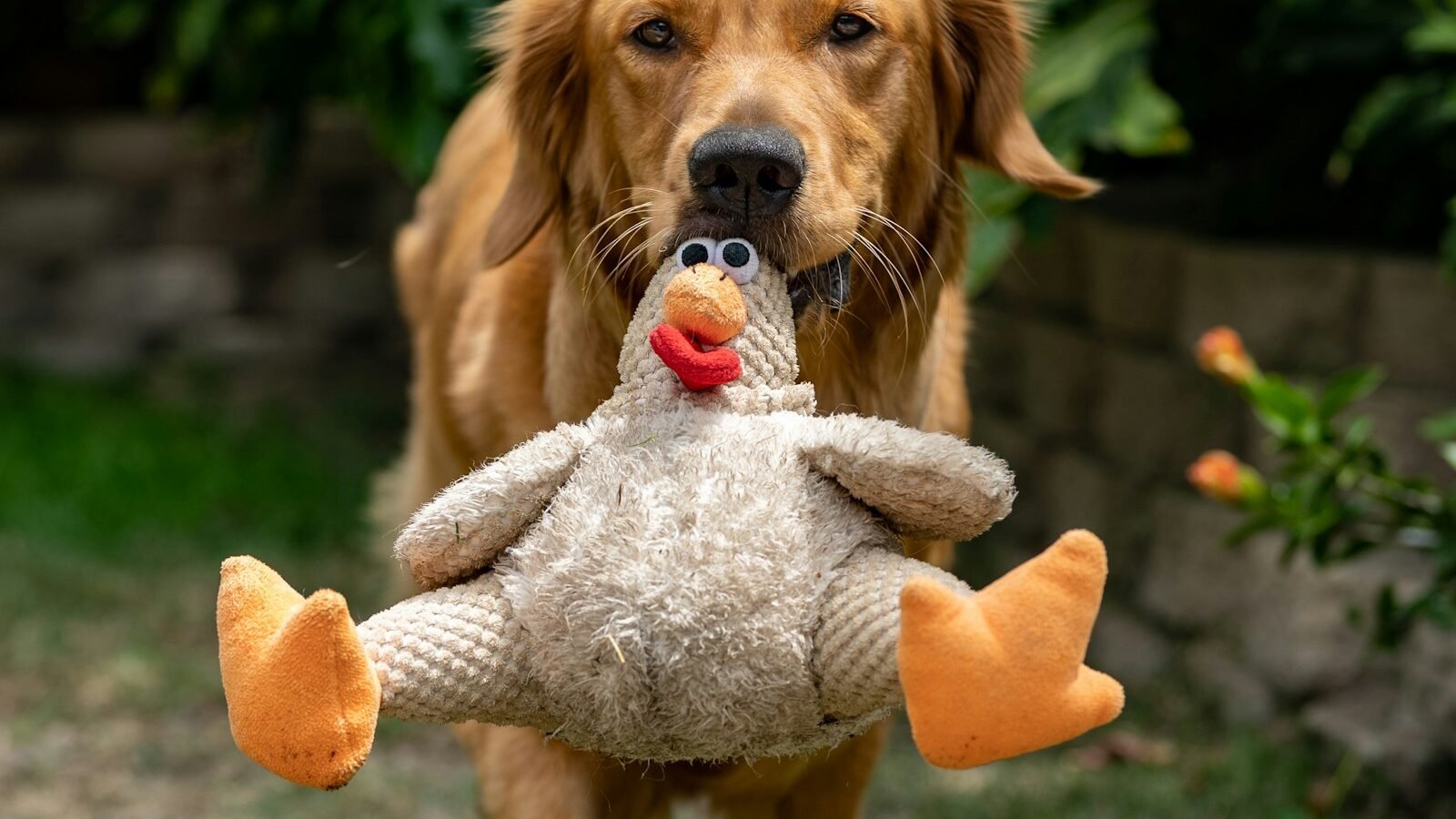
Your new puppy is adorable — until those needle-sharp teeth sink into your ankles, your sleeves and your kids’ fingers. Puppy biting is one of the most searched dog problems in America, and for good reason: it hurts, it’s exhausting, and it can feel like it will never end.
Here’s the reassuring truth: mouthing is a normal stage of puppy development. Your job isn’t to stop your puppy from ever using their mouth — it’s to teach them what is okay to bite and how gentle to be. This plan shows you how.
Key takeaways
- Puppies bite to explore, play and soothe teething gums.
- Over-tired puppies bite the most. Sleep is a training tool.
- Redirect to a toy, and calmly end play when teeth touch skin.
- Never hit, scruff or hold the mouth shut — it usually makes biting worse.
Why Do Puppies Bite So Much?
Puppies explore the world with their mouths the way babies use their hands. In the litter, they learn how hard is “too hard” by playing with siblings — if they bite too hard, play stops. When they come home at around eight weeks old, that lesson is unfinished, and you become the new littermate.
Common triggers include:
- Teething. Puppies lose their baby teeth and grow adult teeth over the first several months, which can make their gums sore.
- Over-tiredness. Young puppies need a lot of sleep — often 18 hours or more a day. A puppy who skipped a nap often gets “the zoomies” and bites everything.
- Excitement. Fast hands, running children and dangling clothes look exactly like toys.
- Attention. If biting gets a big reaction, your puppy learns it’s a great way to start a game.
Alt text: Puppy chewing a rope toy instead of a hand
What to Do the Moment Your Puppy Bites
1. Redirect to a toy
Keep a soft toy or tug rope within reach in every room. When your puppy starts mouthing, offer the toy and make it move like prey. Praise them when they grab it. You’re teaching: teeth go on toys, not people.
2. Make hands boring
If your puppy ignores the toy and keeps biting skin, go still. Pull your hands in, fold your arms and look away for a few seconds. Fast-moving hands invite more play; still hands are dull.
3. Calmly end the game
If biting continues, quietly step out of the room or over a baby gate for 10–20 seconds, then come back and try again. It’s a gentle, clear consequence: biting makes the fun stop.
4. Offer a nap
If your puppy is wild and bitey, there’s a good chance they are simply tired. Put them in their crate or playpen with a chew and let them sleep. Many “biting problems” disappear with a solid nap schedule.
The 4-Week Plan to Stop Puppy Biting
Week 1: Set up for success
- Create a puppy-safe zone with a playpen, bed and chew toys.
- Build a schedule: play, potty, nap — repeat. Aim for a nap after every 45–60 minutes awake.
- Keep a toy in your pocket at all times.
Week 2: Teach “soft mouth”
- During calm play, let your puppy gently mouth your hand. If the pressure gets hard, end the game for a few seconds.
- Reward licking and gentle sniffing of hands with praise and a treat.
Week 3: Add calm skills
- Teach “sit” and “settle on your mat” with treats.
- Ask for a sit before greetings, play and meals so your puppy learns calm behavior earns rewards.
Week 4: Practice with real life
- Practice with visitors, kids and putting on shoes — the moments that used to trigger biting.
- Give a frozen chew or stuffed food toy during busy times.
Want this as a printable chart with daily tasks? The 10-Minute Dog Method e-book includes a full puppy schedule, biting troubleshooting guide and a 30-day training calendar.
Best Chews for a Teething Puppy
- Rubber chew toys you can stuff with food and freeze
- Soft rope toys for tug games
- Puppy-specific teething toys sized for your dog
- A wet, frozen washcloth (always supervised)
Always supervise chews, choose sizes your puppy can’t swallow, and ask your vet before giving bones or hard chews.
Alt text: Tired puppy napping in its crate with a chew toy
Kids and Puppy Biting
Children move fast, squeal and wave their arms — perfect triggers for a bitey puppy. Teach kids to “be a tree” (stand still, arms folded) if the puppy jumps or bites, and always supervise play. For young kids, use baby gates so the puppy and child can see each other without constant contact.
When Is Puppy Biting a Problem?
Most puppy biting is normal play. Talk to your veterinarian or a certified positive-reinforcement trainer if your puppy:
- Stiffens, growls or bites when you touch food, toys or their body
- Bites hard enough to break skin regularly after 5–6 months of age
- Seems fearful or in pain when biting
Frequently Asked Questions
At what age do puppies stop biting?
Most puppies mouth much less once adult teeth are in, often around six to seven months — especially if they’ve been taught bite inhibition.
Is it okay to play tug with a puppy?
Yes. Tug is a great outlet for biting energy. Use clear rules: the game pauses if teeth touch skin.
Why does my puppy bite more at night?
Evening “witching hour” biting is usually over-tiredness. Try an earlier nap and a calm chew before bedtime.
The Bottom Line
Puppy biting is a phase, not a life sentence. Give your puppy enough sleep, the right chew toys and calm, consistent feedback, and those shark teeth will soon turn into a gentle, polite mouth. Next up: how to stop leash pulling before it becomes a habit.