 Coach Max

Every spring the American Kennel Club (AKC) ranks America’s most popular dog breeds using its registration numbers. The 2025 rankings, released in March 2026, crowned the French Bulldog No. 1 for the fourth year in a row — and brought one big shake-up: the Dachshund jumped into the top five, pushing the Poodle to No. 6.
Here’s the full top 10, what each breed is really like to live with, and how to tell whether a popular breed is actually right for your home.
Key takeaways
- The top 3 are the French Bulldog, Labrador Retriever and Golden Retriever.
- The Dachshund moved up from No. 6 to No. 5 — the only change in the top five.
- Popularity is not the same as suitability: match energy, size, grooming and health needs to your lifestyle.
Alt text: Four of America’s most popular dog breeds sitting together on a porch
The 2025 AKC Top 10 at a Glance
| Rank | Breed | Best for |
|---|---|---|
| 1 | French Bulldog | Apartment dwellers who want a low-exercise companion |
| 2 | Labrador Retriever | Active families with kids |
| 3 | Golden Retriever | First-time owners who can commit to exercise and grooming |
| 4 | German Shepherd Dog | Experienced owners who want a working partner |
| 5 | Dachshund | Owners who want a small dog with big personality |
| 6 | Poodle | Allergy-conscious homes ready for regular grooming |
| 7 | Beagle | Families who want a sociable, sturdy medium-size dog |
| 8 | Rottweiler | Experienced owners with time for training |
| 9 | Bulldog | Low-key homes with air conditioning |
| 10 | German Shorthaired Pointer | Runners, hikers and hunters |
1. French Bulldog
Small, funny and city-friendly — but a flat face means heat and breathing care.
Best for: Apartment dwellers who want a low-exercise companion. Read our full French Bulldog breed guide →
2. Labrador Retriever
Friendly, eager to please and endlessly food-motivated; needs daily exercise.
Best for: Active families with kids. Read our full Labrador Retriever breed guide →
3. Golden Retriever
Gentle, patient and social; sheds a lot and loves a job to do.
Best for: First-time owners who can commit to exercise and grooming. Read our full Golden Retriever breed guide →
4. German Shepherd Dog
Smart, loyal and protective; needs training, structure and activity.
Best for: Experienced owners who want a working partner. Read our full German Shepherd Dog breed guide →
5. Dachshund
Bold little hound with a big voice and a back that needs protecting.
Best for: Owners who want a small dog with big personality. Read our full Dachshund breed guide →
6. Poodle
Highly intelligent, low-shedding coat, comes in Standard, Miniature and Toy.
Best for: Allergy-conscious homes ready for regular grooming. Read our full Poodle breed guide →
7. Beagle
Merry, curious scent hound; follows its nose and can be vocal.
Best for: Families who want a sociable, sturdy medium-size dog. Read our full Beagle breed guide →
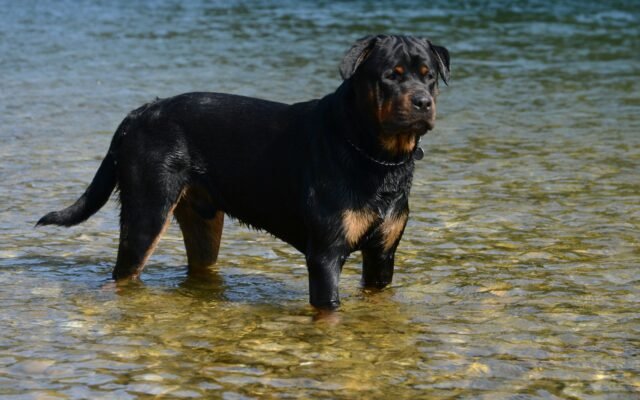
8. Rottweiler
Confident, devoted guardian; needs early socialization and a steady leader.
Best for: Experienced owners with time for training. Read our full Rottweiler breed guide →
9. Bulldog
Calm, affectionate couch companion; flat face and skin folds need care.
Best for: Low-key homes with air conditioning. Read our full Bulldog breed guide →
10. German Shorthaired Pointer
Athletic, versatile bird dog with almost unlimited energy.
Best for: Runners, hikers and hunters. Read our full German Shorthaired Pointer breed guide →
How to Choose the Right Breed for You
- Energy: Labs, German Shepherds and German Shorthaired Pointers need serious daily exercise. Bulldogs and Frenchies need far less — and must avoid heat.
- Size and space: A Rottweiler can weigh over 100 pounds; a Miniature Dachshund can weigh 11 or less.
- Grooming: Poodles need professional grooming every few weeks; Goldens and Shepherds shed heavily.
- Health: Flat-faced breeds can have breathing problems; long-backed Dachshunds are prone to disc disease; large breeds are prone to hip and elbow dysplasia. Ask breeders for health-test results of both parents.
- Training: Every breed on this list does best with positive, reward-based training started early. Start with our guides on puppy biting and leash pulling.
Frequently Asked Questions
What is the most popular dog breed in America?
The French Bulldog — No. 1 in the AKC rankings for 2022, 2023, 2024 and 2025.
Did the Labrador lose its No. 1 spot?
Yes. Labs held No. 1 for 31 years before the Frenchie passed them in 2022. They remain No. 2.
Which top-10 breed is best for first-time owners?
Golden and Labrador Retrievers are usually the most forgiving for beginners, as long as you can give them daily exercise.
Are mixed breeds like Goldendoodles included?
No. The AKC list only counts registered purebreds.
The Bottom Line
The most popular breed isn’t automatically the best breed for you. Use this list as a starting point, read the full breed guides, and pick the dog whose energy, size and care needs fit your real life — then start training with kindness from day one.