 Coach Max
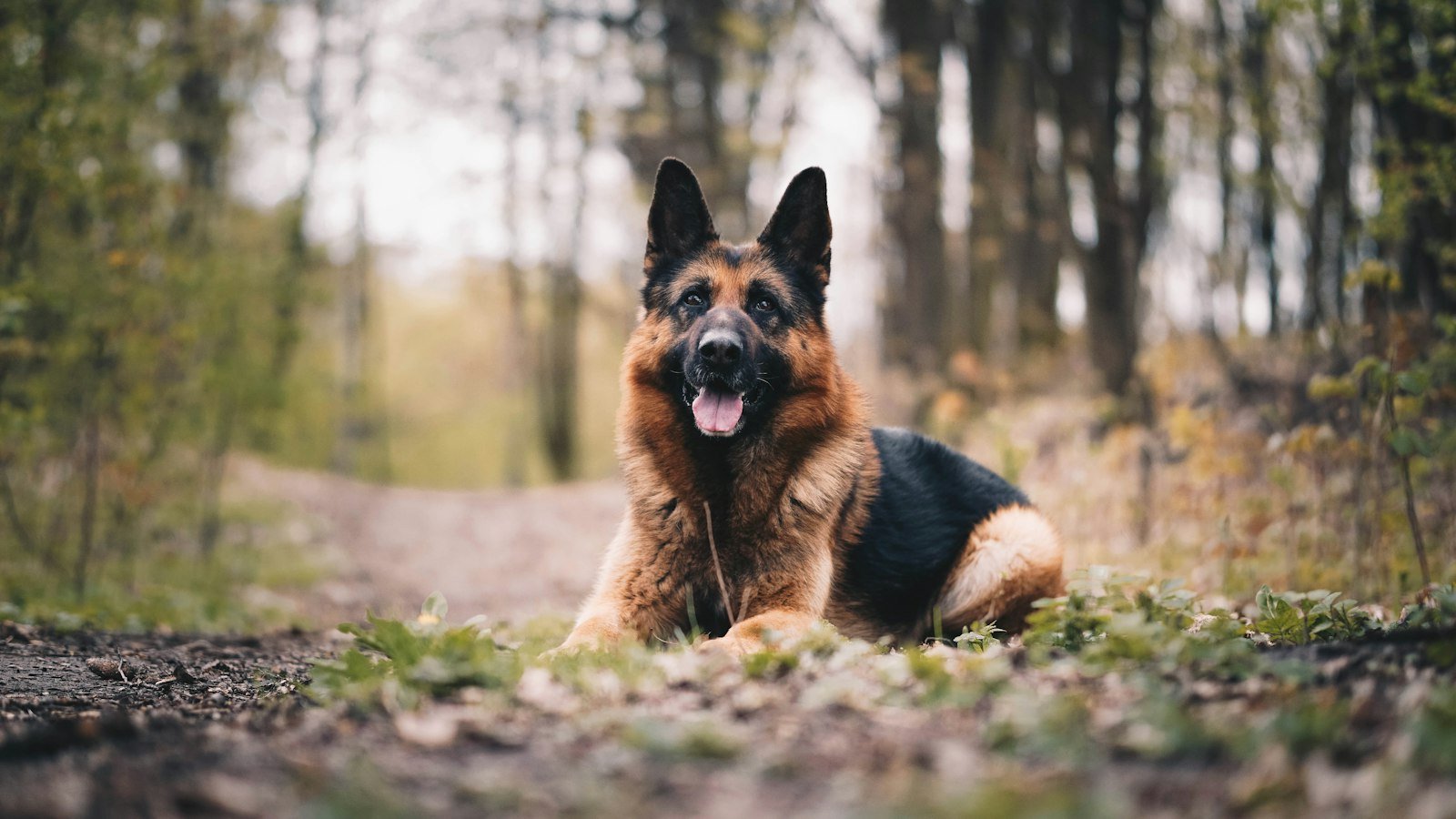
The German Shepherd Dog holds the No. 4 spot in the AKC’s 2025 rankings. Famous as police, military and service dogs, German Shepherds are smart, loyal and versatile. They are also large, high-energy working dogs that need training, structure and a job to do. Here’s what living with one really involves.
German Shepherd at a glance
- Size: about 22–26 inches tall; roughly 50–90 lbs (males larger)
- Life expectancy: about 7–10 years
- Energy: high
- Good with kids: often good with their own family when well socialized
- Shedding: heavy
- Watch-outs: joint problems, bloat, wariness of strangers
Alt text: German Shepherd standing alert on a forest trail
German Shepherd Temperament
German Shepherds are confident, courageous and deeply devoted to their people. Many are naturally protective and reserved with strangers.
They are highly intelligent and need mental work as much as physical exercise. Without enough training and socialization, a Shepherd may become anxious, overprotective or destructive.
Common German Shepherd Health Problems
Knowing a breed’s typical health risks helps you choose a responsible breeder, budget for care and spot problems early. Always ask for health-test results for both parents.
Hip and elbow dysplasia
Common in the breed. Choose breeders who screen both parents and keep your dog lean and fit.
Degenerative myelopathy
A progressive spinal cord disease of older dogs that affects the hind legs. A DNA test can identify at-risk dogs.
Bloat (GDV)
A life-threatening twisting of the stomach seen in large, deep-chested breeds.
Allergies and digestive sensitivity
Some Shepherds have sensitive stomachs or skin allergies; introduce food changes gradually.
Daily Care
Exercise
Plan on at least an hour of activity daily, plus training games. Hiking, fetch, tracking and obedience or herding classes are ideal outlets.
Grooming
The double coat sheds constantly and “blows” heavily twice a year. Brush several times a week, trim nails and check ears.
Food
Feed a complete large-breed diet. Large-breed puppy food helps support steady growth of bones and joints. Before sharing snacks, check our list of safe and toxic human foods for dogs.
Training a German Shepherd
Shepherds learn quickly and love to work. Use clear, consistent, reward-based training and start socialization early so they grow up confident rather than suspicious.
- Expose your puppy calmly to many people, places and sounds
- Give daily “brain work”: puzzle feeders, scent games, new tricks
- Teach a calm “settle” on a mat
- Work with a certified positive-reinforcement trainer if you see reactivity
Struggling with the basics? See our guides on stopping leash pulling, puppy biting and excessive barking — the methods work for every breed.
Is a German Shepherd Right for You?
A great match if you are an active, experienced owner who wants a loyal, trainable partner and enjoys training as a hobby.
Think twice if you are away for long hours, live in a small space without time for exercise, or want a dog that greets every stranger like a friend.
Frequently Asked Questions
Are German Shepherds good family dogs?
Well-bred, well-socialized Shepherds are often devoted family dogs; supervision with young children is still important.
Do German Shepherds shed?
Yes, heavily — they are sometimes jokingly called “German Shedders.”
How smart are German Shepherds?
They are among the most trainable breeds, which is why they are popular as police and service dogs.
The Bottom Line
German Shepherds are brilliant, loyal partners for owners who can match their energy and invest in training. See where the German Shepherd ranks among America’s 10 most popular dog breeds.