 Coach Max
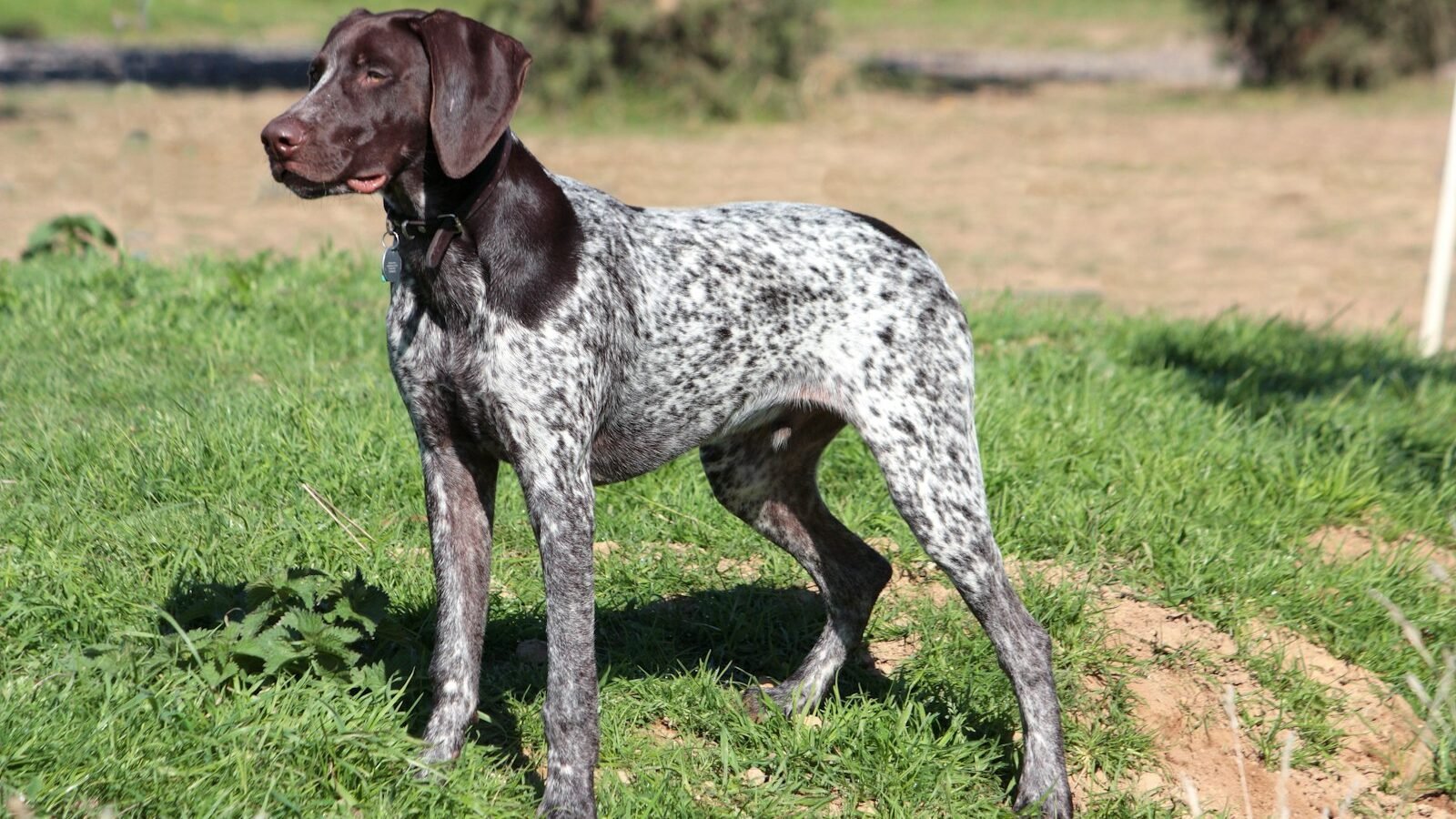
The German Shorthaired Pointer (GSP) rounds out the AKC’s 2025 top 10. Bred as an all-around hunting dog, the GSP is athletic, smart and affectionate — and has energy to spare. In the right active home, they are fantastic companions. In the wrong one, they can be a handful. Here’s what to know.
German Shorthaired Pointer at a glance
- Size: about 21–25 inches tall; roughly 45–70 lbs
- Life expectancy: about 10–12 years
- Energy: very high
- Good with kids: usually good with active families
- Shedding: moderate
- Watch-outs: boredom behaviors, bloat, prey drive
Alt text: German Shorthaired Pointer running through a golden field
German Shorthaired Pointer Temperament
GSPs are friendly, eager and deeply attached to their families. They love being involved in everything you do.
They have a strong hunting and prey drive, plenty of stamina and a busy mind. Without daily exercise and mental work, they can become restless, vocal or destructive.
Common German Shorthaired Pointer Health Problems
Knowing a breed’s typical health risks helps you choose a responsible breeder, budget for care and spot problems early. Always ask for health-test results for both parents.
Bloat (GDV)
A risk for deep-chested breeds; learn the warning signs.
Hip dysplasia
Choose breeders who screen both parents.
Eye conditions
Some inherited eye diseases occur; ask about eye testing.
Injuries
Active dogs can get cuts, sprains and pad injuries; check paws after outings.
Daily Care
Exercise
Plan on 1–2 hours of vigorous activity daily: running, hiking, swimming, fetch and field games. A quick walk around the block is not enough.
Grooming
The short coat is easy to care for but sheds. Brush weekly, trim nails and check ears and paws.
Food
Active GSPs may need more calories than less active breeds; adjust portions with your vet’s guidance to keep them lean and fit. Before sharing snacks, check our list of safe and toxic human foods for dogs.
Training a German Shorthaired Pointer
GSPs are smart and trainable but easily distracted by birds and smells. Positive training, impulse-control games and a strong recall are essential.
- Practice recall with a long line before any off-leash time
- Channel prey drive with flirt-pole games and retrieving
- Teach an “off switch” with mat training after exercise
- Try dog sports like agility, dock diving or scent work
Struggling with the basics? See our guides on stopping leash pulling, puppy biting and excessive barking — the methods work for every breed.
Is a German Shorthaired Pointer Right for You?
A great match if you are a runner, hiker or hunter with time for lots of daily exercise and training.
Think twice if you want a calm apartment dog or you are away most of the day.
Frequently Asked Questions
Are German Shorthaired Pointers good family dogs?
Yes, for active families. They are affectionate and playful but can be bouncy with small children.
How much exercise does a GSP need?
Usually 1–2 hours of vigorous activity per day.
Do GSPs get along with cats?
Some do if raised with them, but many have strong prey drive — introduce carefully.
The Bottom Line
German Shorthaired Pointers are tireless, loving athletes. Give them a job and plenty of activity, and they’ll be your best adventure partner. See where the German Shorthaired Pointer ranks among America’s 10 most popular dog breeds.