 Coach Max
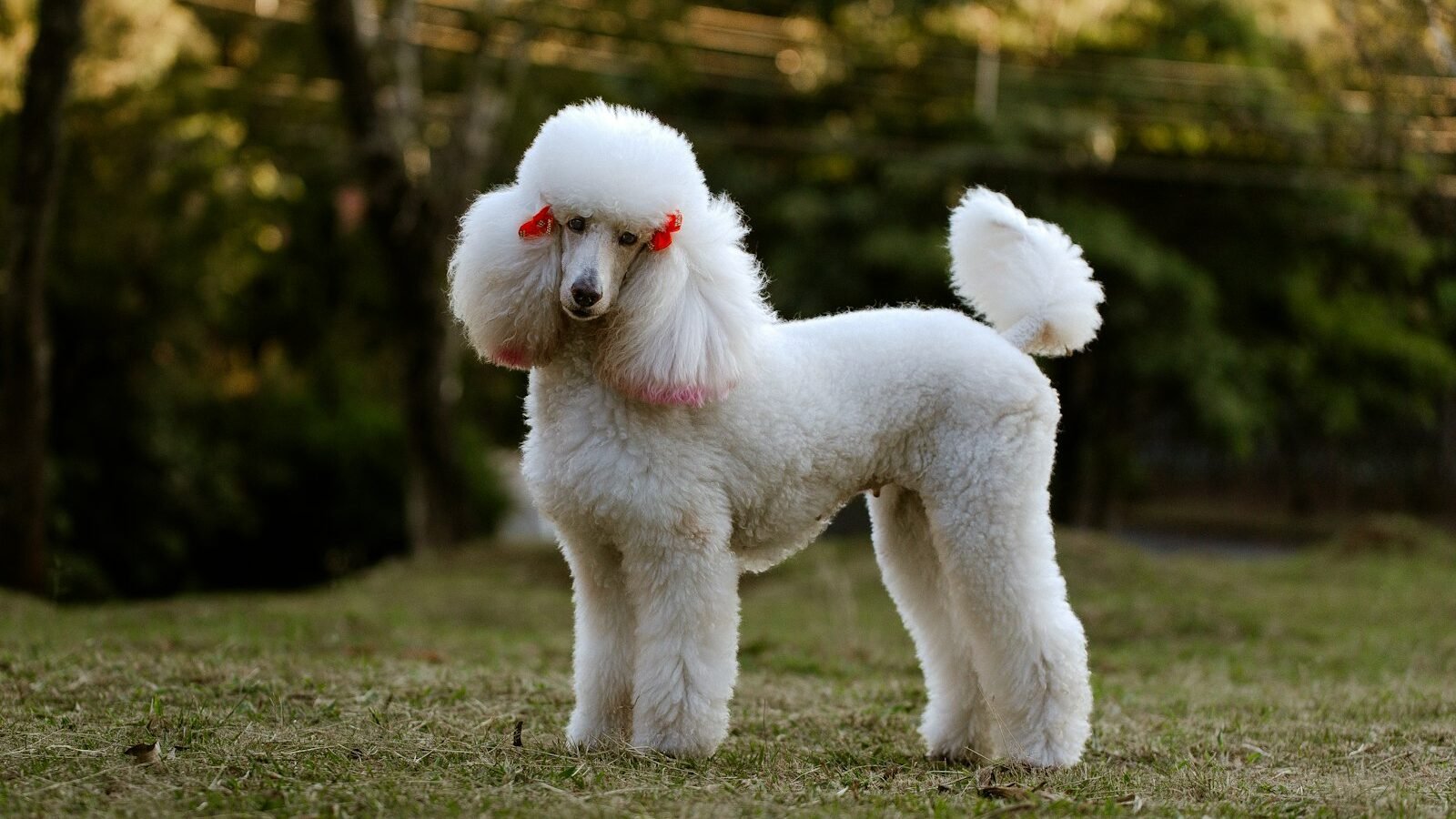
The Poodle slipped one spot to No. 6 in the AKC’s 2025 rankings, but it remains one of America’s favorite breeds. Behind the fancy show haircut is a highly intelligent, athletic and affectionate dog — available in three sizes. Here’s how to choose and care for one.
Poodle at a glance
- Sizes: Standard (over 15 inches; roughly 40–70 lbs), Miniature (10–15 inches), Toy (10 inches and under)
- Life expectancy: about 10–18 years depending on size
- Coat: curly, low-shedding
- Energy: medium-high
- Intelligence: very high
- Watch-outs: grooming costs, some inherited health conditions
Alt text: Apricot Standard Poodle trotting across a lawn
Poodle Temperament
Poodles are smart, eager, playful and people-oriented. Originally water retrievers, Standards in particular are athletic and love to swim and run.
They are sensitive dogs that respond best to gentle, positive training. Without enough mental stimulation, they can become anxious or develop nuisance behaviors.
Common Poodle Health Problems
Knowing a breed’s typical health risks helps you choose a responsible breeder, budget for care and spot problems early. Always ask for health-test results for both parents.
Hip dysplasia
More common in Standards; choose breeders who screen parents.
Addison’s disease
A hormonal disorder seen in the breed; symptoms can be vague, such as low energy and stomach upset.
Eye disease
Progressive retinal atrophy can occur; responsible breeders test for it.
Bloat
Standard Poodles are deep-chested and can be at risk of this emergency.
Daily Care
Exercise
Standards need about an hour of activity daily; Minis and Toys need less but still enjoy walks, games and training.
Grooming
Poodle coats keep growing and don’t shed much, so they need professional grooming about every 4–6 weeks and regular brushing at home to prevent mats.
Food
Feed a complete diet sized for your Poodle — a Standard and a Toy have very different needs. Before sharing snacks, check our list of safe and toxic human foods for dogs.
Training a Poodle
Poodles are among the easiest breeds to train. They excel at obedience, tricks and dog sports.
- Use short, varied sessions so your Poodle stays engaged
- Get your puppy used to brushing and handling early
- Teach alone-time gradually to prevent separation stress
- Try scent work or agility for mental exercise
Struggling with the basics? See our guides on stopping leash pulling, puppy biting and excessive barking — the methods work for every breed.
Is a Poodle Right for You?
A great match if you want a smart, low-shedding dog and can budget for regular grooming.
Think twice if you don’t want grooming costs or you want a dog that is happy being left alone for long days.
Frequently Asked Questions
Are Poodles hypoallergenic?
No dog is 100% hypoallergenic, but Poodles shed very little, which many allergy sufferers find easier.
Which Poodle size is best for families?
Standards are sturdy and great with active families; Toys are delicate around small children.
How often do Poodles need grooming?
About every 4–6 weeks professionally, with brushing at home in between.
The Bottom Line
Poodles are brilliant, loving and versatile. Budget for grooming and give them a job, and they’ll shine. See where the Poodle ranks among America’s 10 most popular dog breeds.