 Coach Max
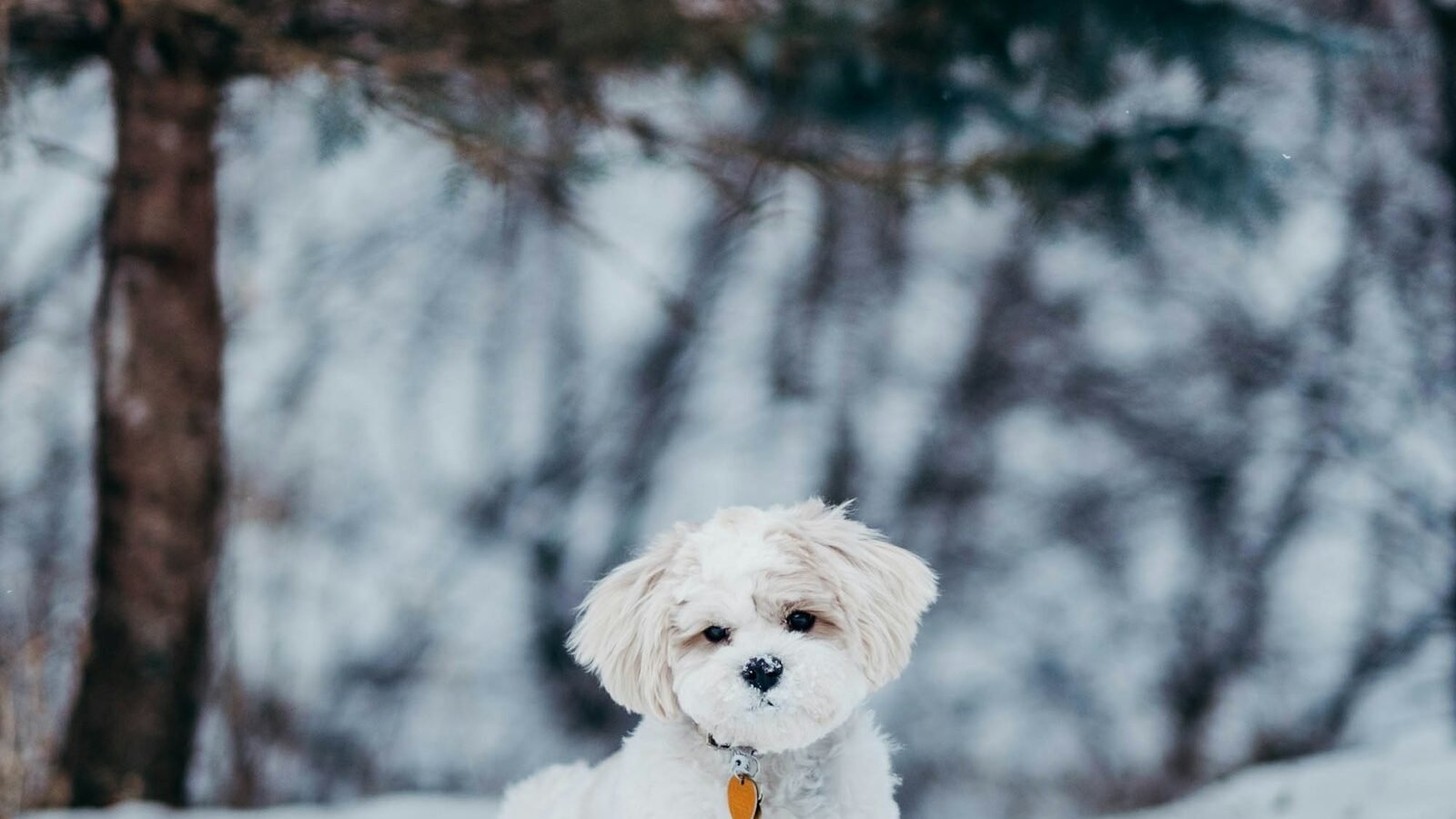
Fur coat or not, dogs feel the cold. A Husky may love a snowstorm while a Chihuahua starts shivering at 45°F. So how cold is too cold for your dog? It depends on size, coat, age, health and wind chill. Use this chart as a starting point, and always watch your own dog.
- Above 45°F: most dogs are comfortable.
- Below 32°F: small, short-coated, young, senior or sick dogs need protection and shorter walks.
- Below 20°F: all dogs are at risk of hypothermia and frostbite with long exposure.
- Wind, rain, snow and wet fur make it feel much colder.
Dog Cold Weather Temperature Chart
| Temperature | Small / short-coated dogs | Medium dogs | Large / thick-coated dogs |
|---|---|---|---|
| 45°F and up | Usually fine | Fine | Fine |
| 32–45°F | Coat recommended, watch for shivering | Usually fine | Fine |
| 20–32°F | Short walks only, coat needed | Coat for short-coated dogs, limit time | Usually fine with breaks |
| Below 20°F | Potty breaks only | Short walks, watch closely | Limit time, watch paws and ears |
| Below 0°F | Risky for all dogs — keep outings as short as possible | ||
This is a general guide based on common veterinary advice, not a hard rule. Your vet knows your dog best.
Dogs That Get Cold Fastest
- Small and toy breeds like Chihuahuas, Yorkies and Toy Poodles lose body heat quickly.
- Short-coated or thin breeds like Greyhounds, Whippets, Boxers, Pit Bulls and French Bulldogs.
- Low-to-the-ground dogs like Dachshunds, whose bellies touch snow.
- Puppies and senior dogs, who can’t regulate body temperature as well.
- Dogs with health conditions such as heart disease, kidney disease, diabetes, hypothyroidism or arthritis.
Not sure if your dog needs a jacket? See Which Dog Breeds Need a Winter Coat?
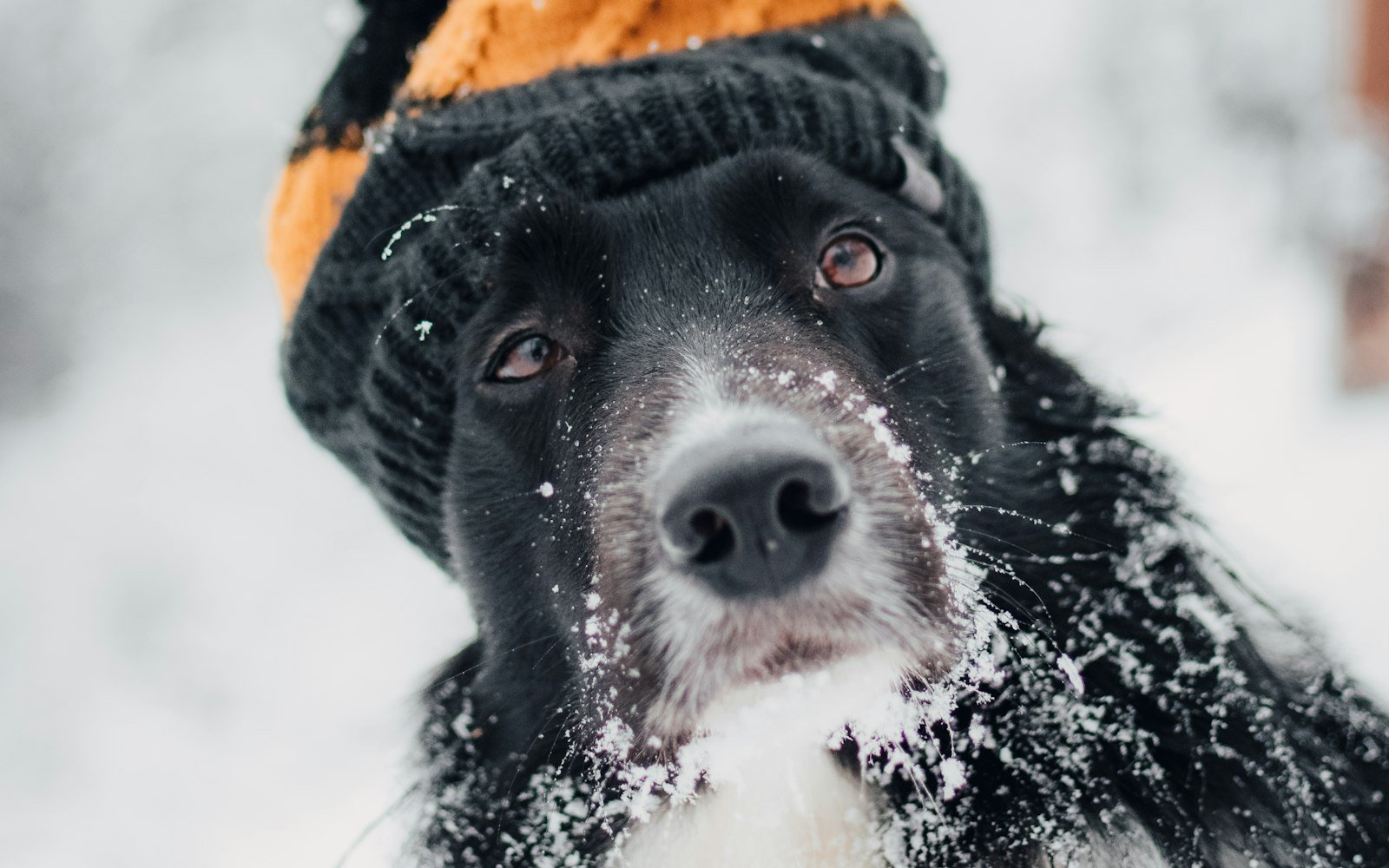
Signs Your Dog Is Too Cold
- Shivering or trembling
- Whining, or stopping and refusing to keep walking
- Holding up a paw or walking strangely
- Hunched posture with the tail tucked
- Looking for shelter or trying to turn back home
When you see these, head inside, dry your dog off and let them warm up.
Hypothermia and Frostbite: Emergency Signs
Hypothermia happens when body temperature drops too low. Watch for strong shivering that later stops, weakness, slow breathing, pale or gray gums, confusion and stiff muscles. Wrap your dog in warm (not hot) blankets and call your vet right away.
Frostbite most often affects the ears, tail tip, paws and scrotum. Skin may look pale, gray or bluish, then red and swollen as it warms, and it may be painful. Don’t rub the area or use direct heat. Warm it gently with lukewarm water and see your vet.
8 Tips to Keep Your Dog Safe in Cold Weather
- Shorten walks and go during the warmest part of the day.
- Use a well-fitted coat or sweater for small and short-coated dogs.
- Protect paws from ice and salt — see our winter paw care guide.
- Dry your dog completely after snow or rain. Wet fur loses its insulation.
- Never leave your dog alone in a car. A car can act like a refrigerator in winter.
- Keep dogs on leash in snow. Snow hides scents, and more dogs get lost in winter.
- Watch for antifreeze spills. It tastes sweet to dogs and is extremely poisonous.
- Burn energy indoors on very cold days with food puzzles, sniff games and short training sessions.
Can Dogs Live Outside in Winter?
Dogs are social animals and are safest and happiest living indoors with their family. If a dog must spend time outside, it needs a dry, insulated, wind-proof shelter that’s raised off the ground, plus unfrozen water. Many states and cities also have laws about pets left out in extreme cold.
Frequently Asked Questions
Is 40 degrees too cold for a dog?
For most dogs, no. Small, short-coated, senior or very young dogs may be uncomfortable and should wear a coat or have shorter walks.
Is 20 degrees too cold to walk a dog?
Short walks are usually fine for healthy, thick-coated dogs. Small and short-coated dogs should only go out for quick potty breaks, ideally in a coat and booties.
Do dogs get cold at night inside the house?
Some do, especially small, thin or older dogs. Offer a raised bed away from drafts and a blanket they can burrow into.
Does wind chill matter for dogs?
Yes. Wind, rain and wet snow make it feel much colder, so go by the “feels like” temperature.
The Bottom Line
Below 32°F, small, thin-coated, young and older dogs need extra protection. Below 20°F, every dog needs shorter outings. Watch your dog’s body language, dress them for the weather, protect their paws, and keep cold-day fun indoors.