 Coach Max
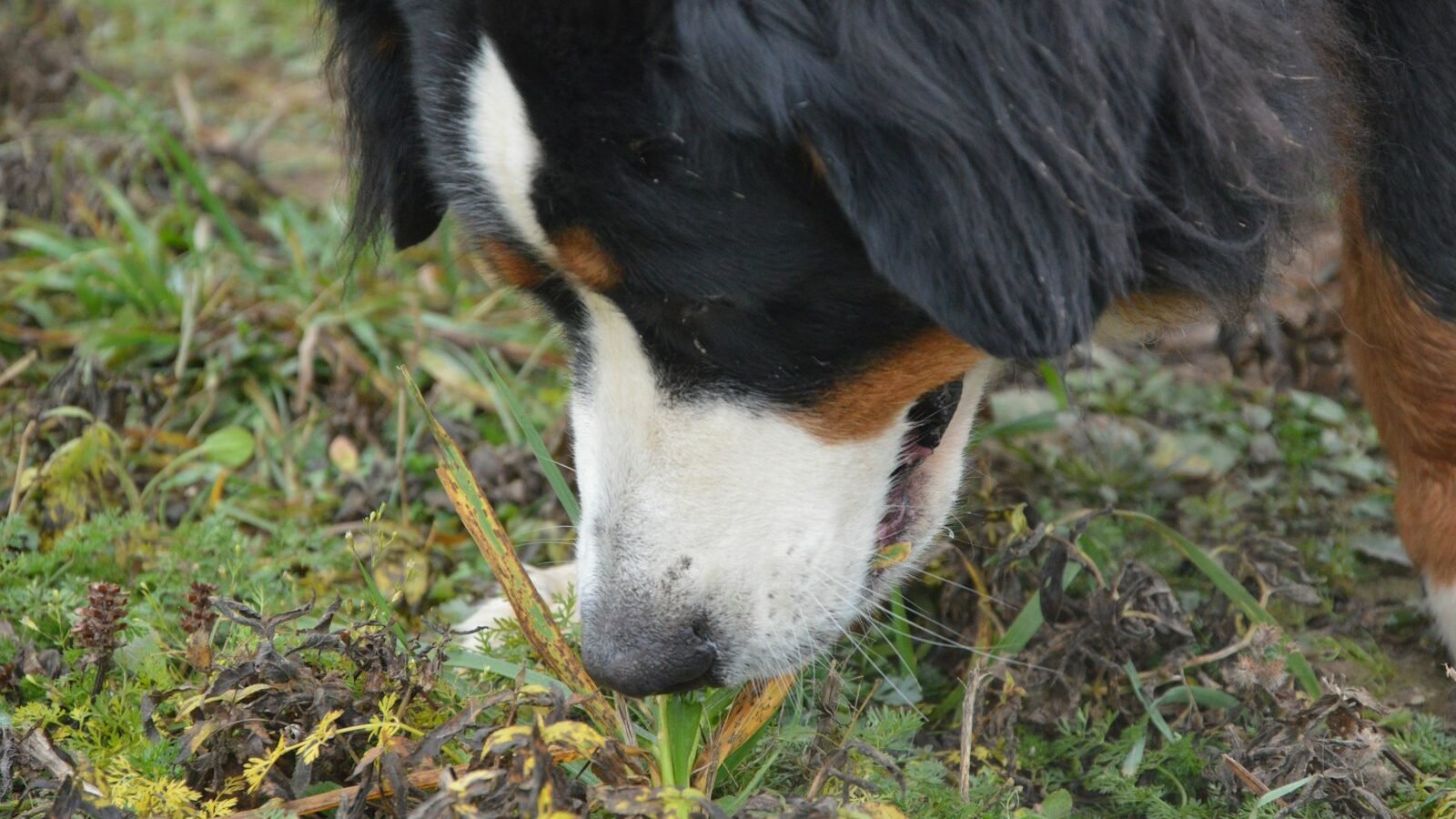
“Why does my dog eat grass?” is one of the most Googled dog questions of all time. The short answer: it’s very common and usually normal. Many dogs graze a little grass and are perfectly healthy. But in some cases it can point to boredom, diet issues or an upset stomach. Here’s how to tell the difference.
- Grass eating is common and usually harmless.
- Most dogs that eat grass are not sick beforehand and don’t vomit afterward.
- Lawn chemicals, pesticides and toxic plants are the real risk.
- Sudden, frantic grass eating with vomiting, diarrhea or lethargy needs a vet visit.
6 Reasons Dogs Eat Grass
1. They simply like it
Many dogs enjoy the taste and texture of fresh grass, especially new spring growth. For these dogs, grazing is just a snack.
2. Natural scavenging instinct
Dogs’ wild ancestors ate a varied diet that included plant material. Nibbling plants seems to be a normal part of dog behavior.
3. Boredom
Dogs that don’t get enough exercise or mental stimulation often look for something to do — and the lawn is right there. Puppies and young, high-energy dogs are common grazers.
4. An upset stomach
Some dogs seem to eat grass when they feel queasy, and some vomit afterward. Research suggests this is less common than people think: most grass-eating dogs show no signs of illness first.
5. Looking for more fiber
Some owners notice their dog grazes less after switching to a food with more fiber. If your dog eats grass constantly, ask your vet whether a diet change makes sense.
6. Anxiety or attention seeking
Dogs may eat grass when stressed or because it gets a big reaction from you. If you chase your dog every time, grass eating can turn into a fun game.
Is Eating Grass Bad for Dogs?
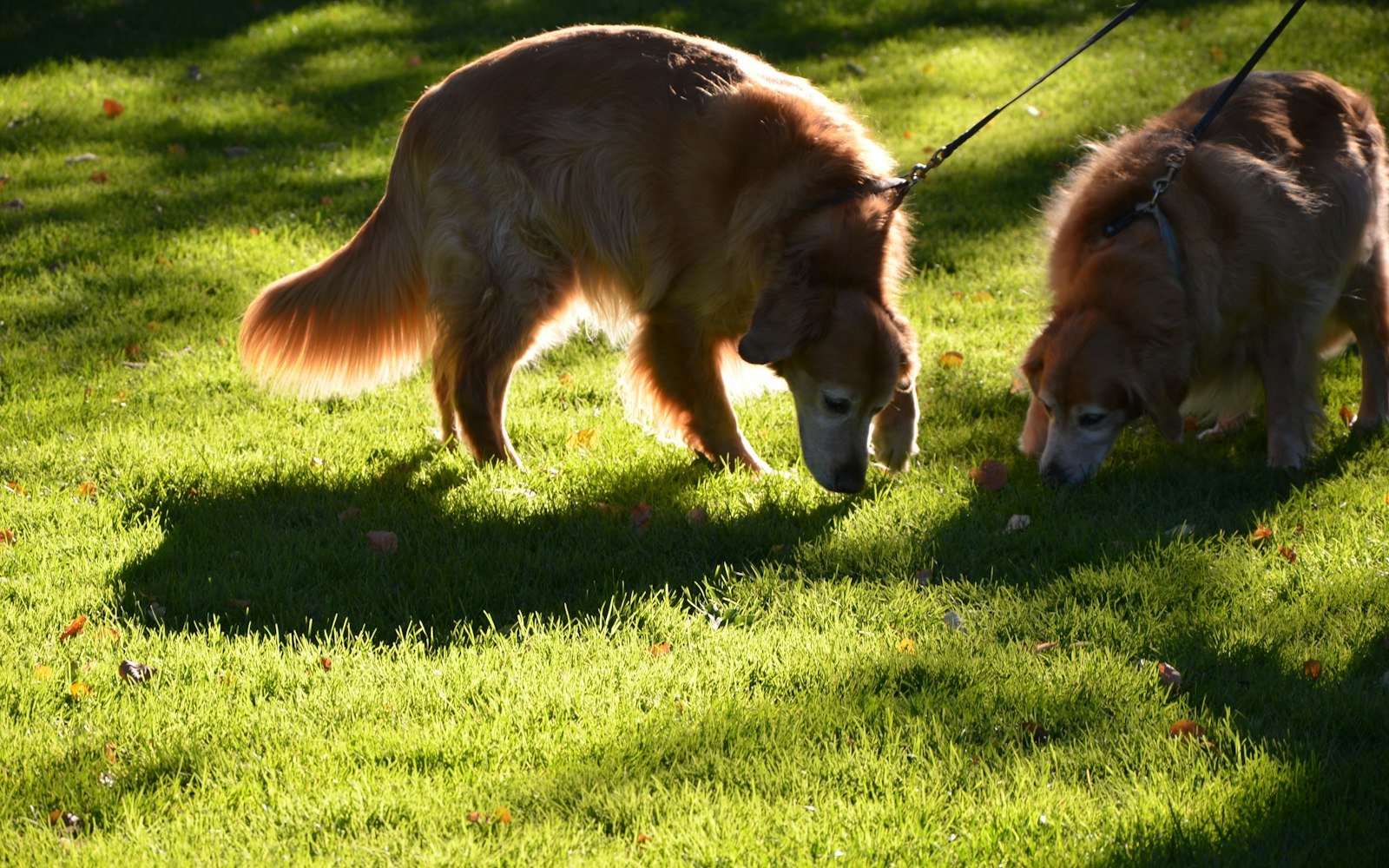
The grass itself is generally not harmful. The risks come from what’s on or near it:
- Pesticides, herbicides and fertilizers on lawns, parks and golf courses
- Toxic plants growing among the grass, like sago palm, lilies of the valley, azaleas and some mushrooms
- Parasites from other animals’ feces, such as roundworms and hookworms
- Sharp grass seeds or awns (like foxtails) that can get stuck in the mouth, nose or skin
Keep your dog on untreated grass and stay current on parasite prevention.
When to Call the Vet
Talk to your vet if your dog:
- Suddenly starts eating grass frantically or much more than usual
- Vomits repeatedly, or has diarrhea, blood in vomit or stool
- Seems lethargic, stops eating or has a painful, tight belly
- Eats grass along with other non-food items like rocks, sticks or fabric (called pica)
- May have eaten grass treated with chemicals
How to Stop a Dog From Eating Grass
- Add exercise and enrichment. Longer sniff walks, fetch, food puzzles and short training sessions reduce boredom grazing.
- Teach “leave it.” Reward your dog for looking away from the grass and back at you.
- Bring high-value treats on walks and reward your dog for walking past grassy areas.
- Offer a safe alternative like a dog-safe chew or a small pot of cat grass (wheatgrass) grown without chemicals.
- Review the diet with your vet, especially if grazing is constant.
Curious about other foods? See our safe vs. toxic human foods list. And if grass eating comes with paw licking or constant licking of people, read Why Does My Dog Lick Me So Much?
Frequently Asked Questions
Do dogs eat grass to make themselves throw up?
Sometimes, but not usually. Only a small share of grass-eating dogs vomit afterward, and most aren’t sick before they graze.
Should I let my dog eat grass?
A little untreated grass is generally fine. Avoid lawns with chemicals and watch for vomiting or changes in behavior.
Why does my dog eat grass in the morning?
An empty stomach may play a role for some dogs. Ask your vet whether a small bedtime snack or a different feeding schedule could help.
Is my dog missing nutrients if it eats grass?
Not usually, if your dog eats a complete and balanced diet. Still, mention constant grazing to your vet.
The Bottom Line
Most dogs eat grass simply because they like it or they’re bored. Keep them on chemical-free grass, give them more exercise and brain games, and call your vet if grazing becomes sudden, frantic or comes with vomiting, diarrhea or lethargy.